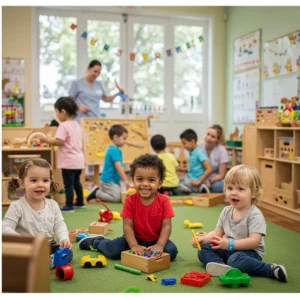
Tips for Preparing Your Child for Daycare: A Comprehensive Guide for Parents
Preparing your child for daycare means more than packing a bag — it involves emotionally and practically equipping your family for a new daily rhythm that supports growth, security, and social learning. This guide outlines clear steps to assess childcare readiness, practical preparation tactics, strategies to manage separation anxiety, essential items for day one, and how structured early learning programs support transitions. Parents will find actionable checklists, evidence-based strategies, and tools to evaluate developmental milestones for infants, toddlers, and preschoolers. The article also explains how age-appropriate classroom practices and consistent routines promote kindergarten readiness without sacrificing emotional security. Throughout, you’ll see specific, practical tips for visits, drop-off routines, and packing, plus a concise mapping of how a structured curriculum — like the PrismPath™ model used by some early learning providers — connects classroom activities to readiness outcomes. Use these steps to reduce stress, build predictability, and help your child thrive during the daycare transition.
How Can You Understand and Assess Your Child’s Daycare Readiness?
Daycare readiness is a mix of social, emotional, communication, and self-care skills that allow a child to participate in group care with growing independence and emotional resilience. Readiness matters because it shapes how quickly a child bonds with caregivers, follows routines, and engages in learning activities; these behaviors predict smoother transitions and better social outcomes. Parents can observe concrete signs at home to evaluate readiness across age groups, and use simple daily activities to strengthen skills that matter most for childcare success. Below is a quick list of observable signs you can use to self-assess your child’s preparedness before enrollment.
Common observable signs of daycare readiness include:
- Calms or is soothed by familiar adults during brief separations.
- Demonstrates basic communication: gestures, single words, or short sentences.
- Shows early self-help skills like drinking from a cup or tolerating diaper changes.
- Engages briefly in parallel or simple cooperative play with peers.
This definition of readiness highlights both emotional security and practical skills, which leads naturally into age-specific milestones parents can watch for and encourage.
What Are Key Developmental Milestones for Infants, Toddlers, and Preschoolers?
Understanding age-appropriate milestones helps parents set expectations and choose supportive activities at home. For infants, look for attachment cues, consistent sleep and feeding patterns, and responsive social engagement like smiling and calming to familiar voices; these behaviors show the infant can form secure relationships and adapt to caregivers. Toddlers typically develop basic self-help skills (holding a cup, using a spoon), two-way communication (saying simple words and following one-step directions), and early social play (parallel play that slowly becomes interactive), which supports participation in group routines. Preschoolers usually follow simple multi-step instructions, participate in cooperative play, manage basic toileting, and sustain attention for short group activities — skills that align with classroom expectations and kindergarten readiness.
To help each age group progress:
- Encourage responsive turn-taking (peekaboo, naming games) with infants.
- Practice short independent play and simple choices with toddlers.
- Build instruction-following and cooperative tasks with preschoolers.
These milestones form a practical rubric for parental observation and targeted practice, and they map directly to what many early learning programs support through daily routines and teacher-led activities.
How Does Emotional Security Influence Childcare Readiness?
Emotional security — the child’s confidence that caregivers are responsive and predictable — underpins successful daycare adjustment and is as important as physical or cognitive skills. Secure attachment allows the child to explore new settings, accept transitions, and calm more quickly after brief separations because they trust that caregivers will return and respond sensitively. Parents can foster security through consistent routines, clear goodbye rituals, and responsive moments that show the child their needs are noticed and met. Simple practices like predictable nap and meal schedules, brief practice separations, and consistent comforting responses when the child is distressed build the expectation of safety and predictability.
Strengthening emotional security at home reduces distress at drop-off and accelerates adaptation in group settings, which naturally connects to practical strategies for preparing the child and family for the daycare transition.
This table helps parents map observable behaviors to readiness attributes and shows where to focus daily practice.
How to Prepare Your Child for Daycare: Emotional & Practical Tips
Preparation in the weeks before daycare begins reduces novelty and builds skills that make the first days and weeks more manageable for both child and family. Practical steps include scheduling center visits, aligning home routines with the daycare schedule, and practicing short separations so the child learns the rhythm of drop-offs and reunions. A step-by-step approach helps parents prioritize tasks and build confidence before the start date.
- Schedule multiple short visits to the center so your child sees the space and meets caregivers in low-stress moments.
- Gradually shift home routines (mealtime and nap timing) to match the center’s daily rhythm using 10–15 minute increments.
- Practice brief separations at home, increasing duration while keeping reunions predictable and joyful.
During visits, observe teacher interaction, outdoor and indoor spaces, safety practices, and how staff respond to children’s cues. Many parents find scheduling a tour and meeting lead educators helpful; when visiting a center like Chroma Early Learning Academy, expect a warm, home-like environment, opportunities to meet certified educators, and a chance to review daily rhythms and communication tools. These visits inform practical choices and reduce first-day uncertainty, which naturally leads to planning the emotional supports and items to pack for day one.
- Visiting checklist includes at least three short visits, meeting primary caregivers, and observing a sample routine.
- Visit summary: Use visits to confirm child-to-staff interactions, safety measures, and how comfort objects are handled.
These steps create familiarity and predictability that directly reduce separation distress and accelerate the child’s sense of belonging.
How Can Visiting and Familiarizing Your Child with Daycare Ease Adjustment?
Familiarization reduces novelty and lets the child form early associations between the center, caregivers, and routine cues. Plan multiple short visits with quiet play time, brief snack or story moments, and introductions to the primary caregiver so the child can begin forming a bond before full days start. Use calm, positive language during visits and model relaxed drop-offs to signal that the environment is safe and predictable. Observe caregiver responsiveness — how quickly staff respond to a child’s cues — and ask about daily rhythms like nap times, meal patterns, and communication with families.
A practical script for introductions can help: “This is Mia. She loves books and snack time. We’ll see you next week.” Keep each visit short and end with a cheerful goodbye so the child experiences consistent reunions. Noticing these patterns during visits helps parents choose a childcare setting aligned with their child’s temperament and prepares both child and parent for the first official day.
Why Is Establishing Consistent Routines Essential Before Daycare Starts?
Predictable routines create an internal sense of safety that reduces anxiety and supports easier transitions into group care. Aligning bedtime, wake time, and meal schedules with the daycare’s daily rhythm allows the child’s body clock and expectations to match the center’s flow, which in turn supports classroom participation and behavior. Start small by shifting key events — breakfast, nap, and bedtime — by 10–15 minutes every few days until they coincide with the center schedule. Reinforce routines with simple cues (a song before nap, a specific breakfast table) so the child recognizes the sequence of events.
Consistency at home fosters compliance with classroom routines and helps children anticipate what comes next, reducing surprises and meltdowns during the day. Establishing these rhythms prepares the family for the first weeks of daycare and sets the stage for smooth handoffs between home and school.
How Do You Effectively Manage Separation Anxiety for Your Child and Yourself?
Separation anxiety is a normal developmental phase that many children experience when entering daycare; it usually peaks between 10–18 months but can appear later with big transitions. Managing separation anxiety requires a dual approach: child-focused tactics that reduce distress at drop-off and parent-focused tools that help caregivers regulate their own emotions. Normalize the experience, set small goals, and use consistent rituals to build predictability. Below is a concise set of practical strategies that parents can implement immediately.
- Create a short, consistent goodbye ritual to signal the end of drop-off and shorten lingering goodbyes.
- Use transitional objects (a small blanket or soft toy) for comfort while ensuring items are daycare-safe.
- Practice brief separations at home that gradually increase in length with calm reunions.
- Coordinate with caregivers so home and center use the same language and rituals during drop-off.
- Take care of your own emotions with brief self-calming routines and by using center communication tools for reassurance.
Integrating parent communication tools and educator support reduces worry for families. Many centers offer parent apps and regular updates that keep caregivers informed of naps, meals, and mood, and centers with open communication policies help parents feel connected during the early transition. Relying on these tools while practicing consistent drop-off routines helps both child and parent adjust.
What Strategies Ease Separation Anxiety in Young Children?
Practical, age-appropriate tactics reduce distress and accelerate adjustment during drop-off. Use brief, predictable goodbyes that include a clear phrase (for example, “See you after lunch — I’ll be back!”), a loving hug, and then a calm exit; prolonging departures tends to increase anxiety. Transitional objects are useful: choose something soft, washable, and small that the caregiver can tuck safely into the child’s cot or cubby. Practice mock separations at home — step out for a minute and return promptly — then increase duration gradually so the child learns the pattern of absence and return.
Coordinate with caregivers to replicate home rituals at daycare, which creates continuity between environments. Over time, consistent routines and reassuring reunions reduce the intensity and frequency of separation distress and help the child form secure attachments to multiple caregivers.
How Can Parents Cope with Daycare Transition Anxiety?
Parents’ emotions influence children’s responses, so managing caregiver anxiety is an essential part of the transition strategy. Validate your feelings as normal, create short self-care rituals (deep breathing, a quick walk after drop-off), and set realistic expectations by anticipating an adjustment period of several weeks. Use center communication channels to receive timely updates on how your child is settling; seeing a photo or a brief note about a nap or snack can reduce ruminating thoughts. Arrange a trusted support person who can debrief with you after the first few days and help reframe early challenges as part of a normal adaptation curve.
If anxiety persists or interferes with daily functioning, consider discussing concerns with the lead educator to align strategies, and ask about viewing windows or scheduled check-ins that build trust. These parent-focused practices decrease worry and model calm regulation that children absorb during the transition.
What Should You Include in Your Child’s First Day of Daycare Essentials?
A practical packing list minimizes morning friction and ensures your child has the items they need for comfort, hygiene, and classroom participation. Essentials include labeled clothing, diapering supplies for infants and toddlers, weather-appropriate outer layers, a comfort object (if allowed), and clearly labeled bottles or food containers when permitted. Preparing documentation like allergy notes, emergency contacts, and any medication forms helps staff care for your child safely and prevents last-minute stress. The table below compares items by purpose and offers practical labeling and quantity notes to streamline packing routines.
This table clarifies which items to pack, why they matter, and how to label or prepare them so drop-off flows smoothly and caregivers can access needed supplies quickly.
Which Items Are Must-Haves in a Daycare Packing Checklist?
Organizing a predictable packing routine simplifies mornings and helps children feel secure with familiar items. For infants, pack labeled bottles, enough diapers for the day, extra outfits, and a small comfort item; for toddlers, include a labeled cup, extra clothes, and any preferred spoon or fork if meals are provided. For preschoolers, pack a weather-appropriate jacket, closed-toe shoes for play, and a small labeled water bottle. Labeling items with the child’s name prevents loss and speeds up transitions during busy drop-off times.
In addition to physical items, provide updated health and allergy documentation and clearly note any dietary restrictions on a form as required by the center. Preparing a designated bag the night before and keeping a spare set of clothes at the center reduces morning pressure and ensures readiness for unforeseen messes or accidents.
How Do Comfort Objects Support Your Child’s Emotional Well-being?
Transitional or comfort objects act as a portable anchor of familiarity that helps children self-soothe in unfamiliar settings, reducing drop-off distress and supporting nap routines. Choose items that are small, machine-washable, free of small parts, and acceptable under the center’s safety policy; avoid large or distracting toys that interfere with group activities. Encourage caregivers to use the object during quiet times rather than as a constant crutch, ensuring the item supports independence rather than dependence.
Over time, children typically use the comfort object selectively (at nap or during initial settling) and gradually rely less on it as attachments to caregivers and peers strengthen. Communicate with center staff about how and when to use the item so home and center strategies align and support emotional regulation.
How Does Chroma Early Learning Academy’s PrismPath™ Curriculum Support Daycare Preparation?
Structured early learning models translate daily classroom activities into measurable readiness outcomes by combining targeted developmental goals with predictable routines and responsive caregiving. The PrismPath™ learning model exemplifies this approach through five pillars — physical, emotional, social, academic, and creative — each designed to build specific readiness skills that align with childcare and kindergarten expectations. In practice, a PrismPath™-style classroom uses teacher-led activities, family-style meals, and intentional transitions to strengthen self-help skills, social cooperation, and emotional regulation. Below is a concise mapping that shows how each pillar connects to readiness outcomes and classroom practices.
This mapping demonstrates how an intentional curriculum links everyday classroom experiences to practical readiness milestones, supporting a smoother transition to daycare and beyond.
What Are the Five Pillars of the PrismPath™ Learning Model?
Each PrismPath™ pillar targets a core area of development that contributes directly to a child’s ability to thrive in group care and in later academic settings. The Physical pillar focuses on motor development and self-help tasks like dressing and feeding; classroom examples include obstacle courses and fine-motor art stations. The Emotional pillar prioritizes self-regulation and secure attachments through consistent routines and responsive teacher interactions. The Social pillar fosters cooperative play and communication skills with structured group games and peer-focused projects. The Academic pillar introduces early literacy and numeracy through story routines and counting activities that build attention and instruction-following. The Creative pillar supports imagination and problem-solving via open-ended materials and dramatic play setups.
Together, these pillars form an integrated approach where everyday classroom activities intentionally scaffold independence, social skills, and the ability to participate in learning — all key components of daycare readiness.
How Does Chroma’s Nurturing Environment Foster Child Development and Readiness?
A nurturing, home-like environment enhances readiness by combining accredited teaching practices with predictable daily rhythms, family-style meals, and consistent parent communication that reassures families during transitions. Qualified, state-certified educators use developmentally appropriate activities to scaffold skills, while safety practices and nutritious meals support the child’s physical well-being. Communication tools provide families regular updates on naps, feedings, and classroom moments, which reduces uncertainty and allows parents to partner with educators on transition strategies. Together, these elements create continuity between home and center that strengthens emotional security and accelerates adaptation.
For families exploring enrollment, observing warm adult-child interactions, clear routines, and transparent communication are key indicators of an environment that supports both emotional and academic readiness. Scheduling a tour and meeting educators can help parents see these practices in action and choose a program aligned with their child’s needs.