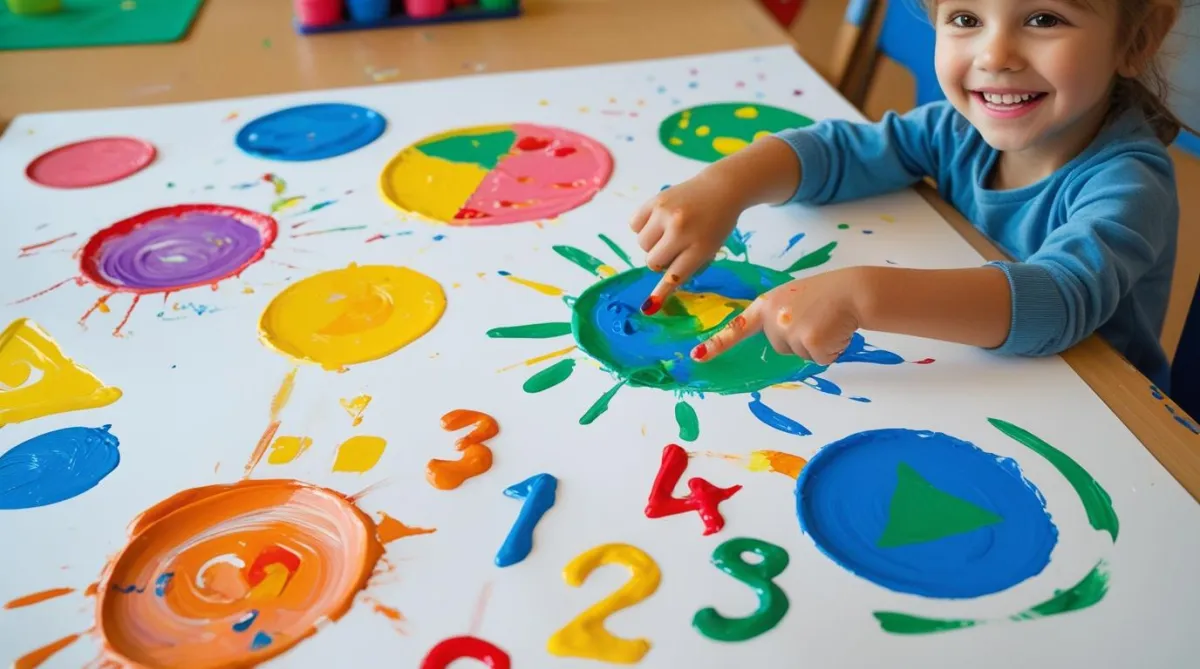
Art Meets Math: Finger Painting for Learning
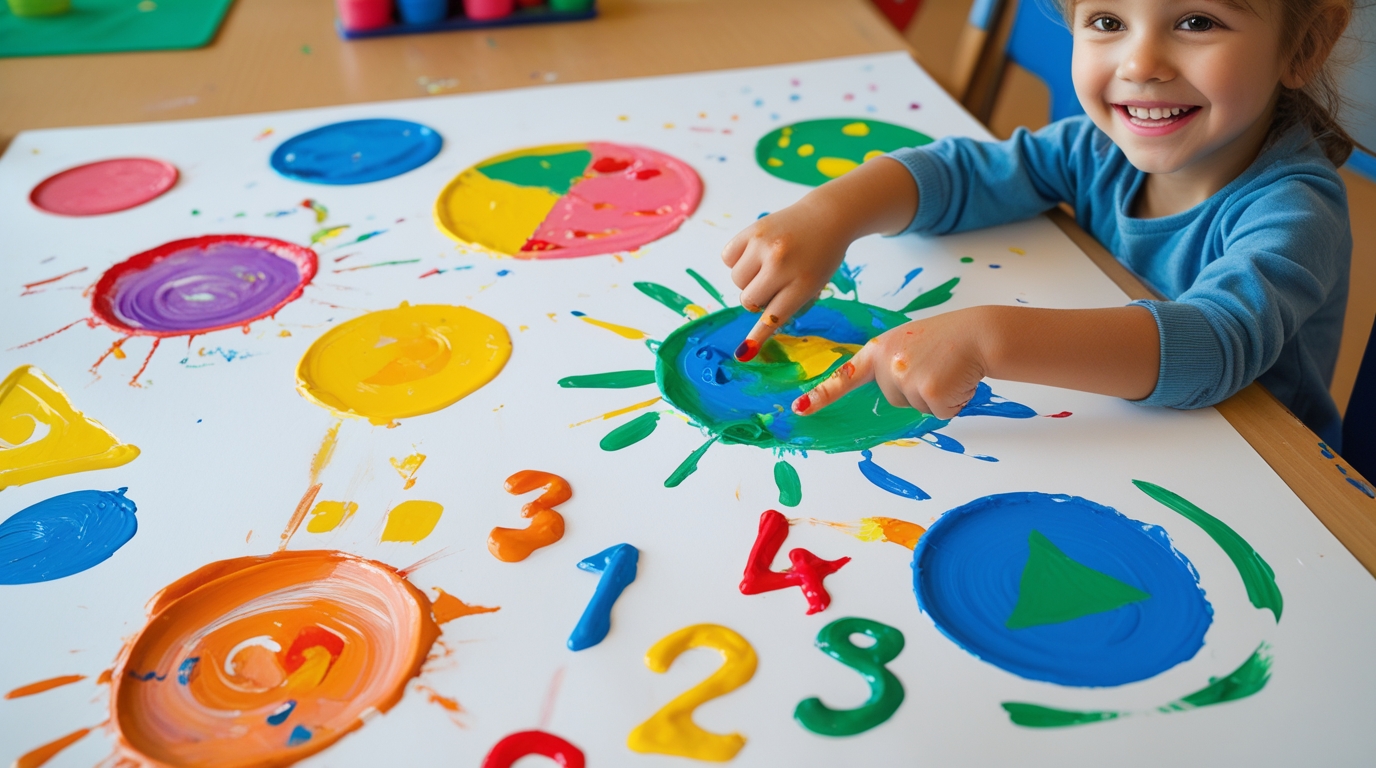
At ChromaELA, we know that children learn best when subjects aren’t siloed but woven together into experiences that spark curiosity. A perfect example is finger painting with math concepts—a creative, hands-on way to help kids explore numbers, shapes, and patterns while expressing themselves artistically.
Why Combine Art and Math?
Math and art may seem like opposites—one logical, the other creative—but they actually share deep connections. Both involve patterns, shapes, symmetry, and sequencing. When kids use finger painting to explore math, they’re not just having fun—they’re building a bridge between imagination and logic.
How Finger Painting Turns Into Math Learning
Counting Strokes
As children dip their fingers in paint and make marks, they can count each stroke aloud. This turns numbers into actions they can see, touch, and remember.Painting Shapes
Triangles, circles, squares—basic geometry comes alive in vibrant colors. Creating shapes builds spatial awareness and prepares children for more complex math later.Pattern Building
Kids love creating sequences: two blue dots, one red square, repeat. This early exposure to patterns forms the foundation for problem-solving and coding skills.The Benefits for Children
Multi-Sensory Learning – Combining touch, sight, and movement strengthens memory and engagement.
Fine Motor Development – Finger painting builds dexterity and hand strength needed for writing.
Confidence & Self-Expression – Children see themselves as creators while also practicing math.
Holistic Growth – Creativity and critical thinking develop side by side, instead of in isolation.
Bringing It Home
This is an activity families can easily try outside the classroom. Grab paper, washable paint, and invite your child to count strokes, paint shapes, or invent math-art patterns. You’ll be surprised at how much joy—and learning—comes out of messy little hands.
At ChromaELA, Learning is Multicolored
We believe education should reflect the full spectrum of a child’s potential. Activities like finger painting show that math isn’t just about numbers, and art isn’t just about creativity—together, they open up a brighter, more connected way of learning.
