
How Do Babies Learn to Walk

How Do Babies Learn to Walk
July 29, 2024•8 min read
Watching your baby take their first steps is one of the most memorable milestones for parents. It's a journey filled with excitement, anticipation, and a few tumbles along the way. But how exactly do babies learn to walk? This process involves a series of developmental stages, each contributing to their ability to stand, balance, and eventually walk independently. Let's delve into the intricate process of how babies learn to walk, the milestones involved, and how you can support your child through this crucial phase of their growth.
Recognizing the Signs Your Baby is Ready to Walk
Before your baby takes their first steps, they will show various signs indicating their readiness. Understanding these signs can help you prepare and support your baby during this critical developmental stage. Here are some key indicators that your baby is getting ready to walk:
Pulling Up and Standing: The Initial Steps
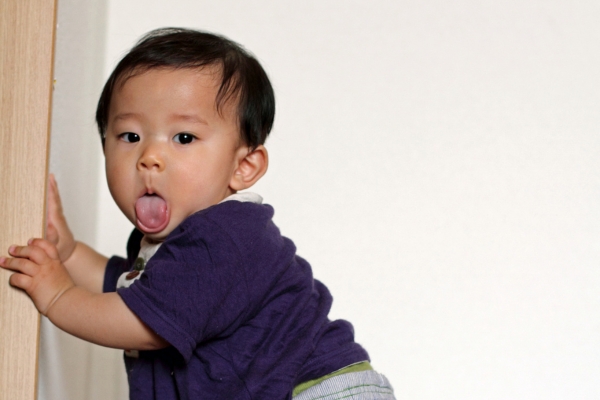
One of the first signs that your baby is ready to walk is their ability to pull up to a standing position. This typically occurs between 8 to 12 months. Your baby might use furniture, toys, or even your legs to pull themselves up. This action helps strengthen their leg muscles and improves their balance. Encourage this behavior by placing toys on low tables or couches, prompting your baby to stand up to reach them. This practice not only builds physical strength but also boosts their confidence.
Balancing and Weight Shifting
Once your baby is comfortable pulling up to stand, they will begin to practice balancing. You might notice them standing while holding onto furniture and experimenting with letting go for a few seconds. Balancing is crucial as it helps your baby develop the core strength and stability needed for walking. They will also start shifting their weight from one foot to the other, an essential skill for taking steps.
Cruising and Adventuring: Building Confidence
Cruising is the next step in your baby's walking journey. This involves moving sideways while holding onto furniture for support. Cruising typically starts between 9 to 12 months and helps your baby learn to move their feet and balance at the same time. To encourage cruising, create a safe pathway with sturdy furniture that your baby can hold onto. Make sure the environment is free of sharp edges and obstacles that could cause falls.
Improved Coordination and Motor Skills
As your baby develops, you will notice improvements in their coordination and motor skills. They might start bending their knees to pick up objects from the floor while standing or transferring objects from one hand to the other. These activities are crucial for developing the coordination needed for walking. Encourage these skills by providing safe objects for them to play with and explore.
Confidence and Independence
Confidence is a significant factor in a baby's readiness to walk. You might notice your baby becoming more adventurous and willing to explore their environment. They may start to venture away from furniture and take a few tentative steps on their own. This growing independence is a positive sign that your baby is ready to walk. Support their confidence by providing a safe and encouraging environment where they can explore freely.
Attempting to Take Steps
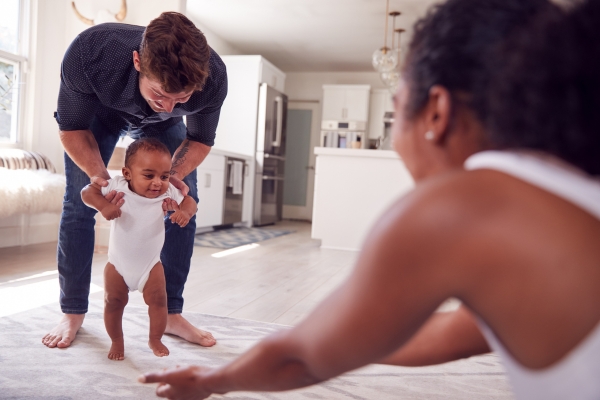
Finally, the most obvious sign that your baby is ready to walk is when they start attempting to take steps. This can be a thrilling moment for both you and your baby. Initially, your baby might take a step or two before falling. This is completely normal and part of the learning process. Celebrate these small milestones and encourage your baby to keep trying. Offer your hands for support and let them walk towards you.
Signs of Readiness to Look For
Here are some additional signs to watch for that indicate your baby is ready to walk:
Increased Leg Strength: Your baby might show an interest in bouncing up and down while standing.
Curiosity and Exploration: Babies who are ready to walk often show a keen interest in exploring their surroundings.
Imitation: Your baby might try to imitate walking by holding onto your hands and taking steps.
Recognizing these signs and providing the right support can make a significant difference in your baby’s journey towards walking. Every baby develops at their own pace, so it’s essential to be patient and offer plenty of encouragement. By understanding and responding to these readiness indicators, you can help your baby achieve this exciting milestone with confidence and joy.
The Milestones: Average Ages for Baby's Walking Progress
Every baby is unique, and the age at which they start walking can vary. However, understanding the average milestones can help you gauge your baby's progress.
The Early Starters: 7 to 10 Months
Some babies are early walkers, taking their first steps as early as 7 to 10 months. These early starters might have an innate curiosity and physical agility that prompts them to walk sooner. If your baby is an early walker, ensure your home is baby-proofed to prevent accidents. Early walkers need a safe environment to explore their newfound mobility.
The Majority: 9 to 16 Months
Most babies start walking between 9 to 16 months. This broad range is normal, and there's no need to worry if your baby takes a bit longer to start walking. Each baby develops at their own pace, and factors such as temperament, physical build, and even personality can influence when they take their first steps. It's essential to provide a supportive and encouraging environment during this time.
Encouraging Your Baby To Take the Next Step
Helping your baby feel confident and secure as they learn to walk is crucial. Here are some strategies to support their development:
Strategies for Supporting Your Child's Development
Create a Safe Space: Ensure that your home is baby-proofed. Remove sharp objects, cover electrical outlets, and secure heavy furniture to prevent accidents.
Encourage Barefoot Walking: Let your baby practice walking barefoot as much as possible. This helps them develop a sense of balance and strengthens their foot muscles.
Use Push Toys: Push toys can provide the necessary support for your baby to practice walking while offering a sense of security.
Be Patient and Positive: Celebrate small victories and be patient with setbacks. Encourage your baby with smiles, claps, and positive words.
Model Walking: Show your baby how to walk by demonstrating it yourself. Babies often learn by imitating their parents.
Toe Walking in Babies
Toe walking, where a child walks on their toes without their heels touching the ground, is a common phase for many toddlers. However, it can sometimes be a sign of underlying issues.
When Should Toe Walking Be a Concern?
While occasional toe walking is normal, persistent toe walking beyond the age of 2-3 years may require attention. It could indicate tightness in the Achilles tendon or other developmental concerns. If your child consistently walks on their toes, consult a pediatrician or physical therapist for an evaluation. Early intervention can help address any underlying issues and promote healthy walking patterns.
Baby Walking Toys: Pros and Cons
Baby walking toys, such as walkers and push toys, can be beneficial but also have potential drawbacks.
Pros:
Provide support and stability for early walkers.
Encourage movement and exploration.
Can help build confidence in walking abilities.
Cons:
Some walkers may pose safety risks, such as tipping over.
Over-reliance on walking toys can delay the development of independent walking.
Can limit the natural development of balance and coordination.
When choosing walking toys, opt for push toys that are sturdy and stable. Always supervise your baby during their use to ensure safety.
The Role of Baby Shoes
Selecting the right shoes for your baby is crucial once they start walking.
When Should Babies Start Wearing Shoes?
Babies should start wearing shoes when they begin to walk outdoors. Indoors, barefoot walking is recommended to help them develop balance and coordination. When choosing shoes, look for ones that are flexible, lightweight, and have a good grip. Ensure the shoes fit well, allowing room for growth but not so loose that they cause tripping.
Navigating Potential Delays in Walking Development
It's natural for parents to feel concerned if their baby isn't walking by a certain age. However, delays in walking can occur for various reasons and aren't always a cause for alarm.
Common Causes of Delays:
Genetics: Some babies naturally take longer to walk, often following family patterns.
Muscle Tone: Babies with lower muscle tone may take longer to develop the strength needed for walking.
Temperament: Some babies may be more cautious or less interested in walking compared to others.
When to Seek Help:
If your baby isn't walking by 18 months or if you notice other developmental delays, it's a good idea to consult your pediatrician. They can assess your child's overall development and recommend any necessary interventions.
Conclusion
Walking is a significant milestone in a baby's development, symbolizing their growing independence and physical abilities. From recognizing the early signs of readiness to supporting their first steps, each phase is filled with excitement and challenges. Understanding the average ages for walking milestones helps set realistic expectations, while actively encouraging and supporting your baby fosters confidence and strength.
Toe walking, baby walking toys, and the appropriate time for baby shoes are all important considerations in your baby's walking journey. Being aware of potential delays in walking development ensures that you can seek timely interventions if necessary.
In essence, every baby’s path to walking is unique, filled with moments of triumph and determination. Celebrate these moments and provide a safe, encouraging environment for your little one to explore and grow. With your support, your baby will soon be confidently taking those precious first steps.
Watching your baby learn to walk is a joyous and unforgettable experience. By understanding the developmental stages, offering the right encouragement, and addressing any concerns promptly, you can ensure your child’s journey to walking is both safe and rewarding. Cherish these moments, for they are the first steps towards a lifetime of adventures and achievements.
