Making Learning Fun: Creative Ways to Help Children Grow

Making Learning Fun: Creative Ways to Help Children Grow
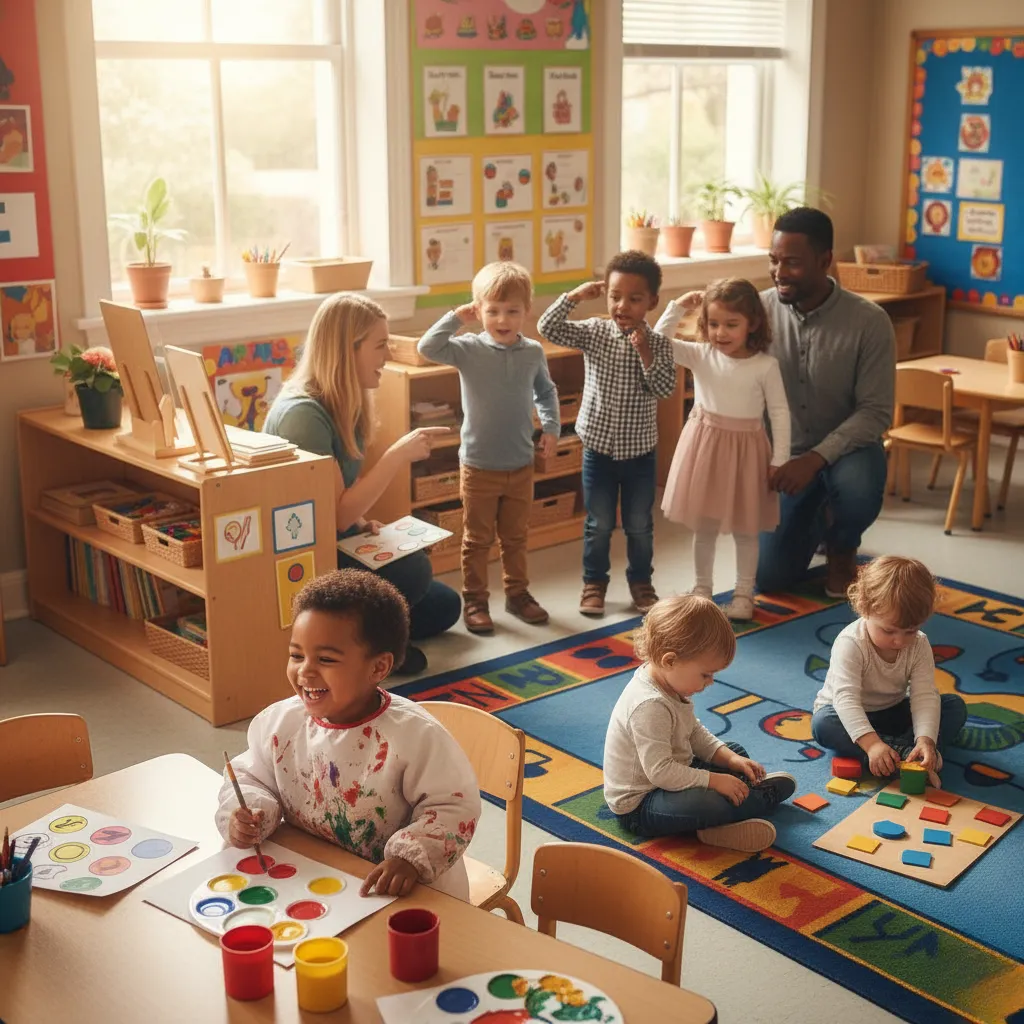
Children learn best when they’re engaged, curious, and having fun. From discovering new words to exploring shapes and body parts, playful learning experiences spark both joy and development. Here’s how parents and caregivers can bring everyday lessons to life.
Using Play and Color to Teach Words
Young children are natural explorers, and language comes alive when it’s tied to play. Simple activities like color-matching games, painting, or storytelling with props give children the chance to practice vocabulary while having fun. Explore how to bring words to life through play and color and watch your child’s language skills blossom.
Interactive Learning for Curious Minds
Learning isn’t just about memorization—it’s about connection. When children are invited to participate, they retain knowledge better. Singing songs, asking open-ended questions, or engaging in role play can all make lessons memorable. See how you can bring learning to life through interaction and make every moment an opportunity to learn.
Discovering the Human Body
Body awareness is a key part of early childhood development. Teaching children to name and identify their body parts builds vocabulary and helps them understand themselves. Turn bath time or dress-up into learning moments with songs and games. Try these fun ways to teach young children the different body parts while encouraging confidence and self-recognition.
Shapes and Early Development
Shapes are everywhere—from the circles of a ball to the triangles of a slice of pizza. Recognizing shapes is an early math skill that lays the foundation for problem-solving. Whether it’s puzzle play, building blocks, or outdoor scavenger hunts, there are endless ways to practice. Dive into our complete guide to learning shapes for children and help your little one connect the dots of early development.
Wrapping It Together
When you weave learning into play, children don’t just absorb information—they create joyful memories tied to discovery. By combining color, interaction, body awareness, and shape recognition, you create a well-rounded path to growth that feels less like teaching and more like adventure.
