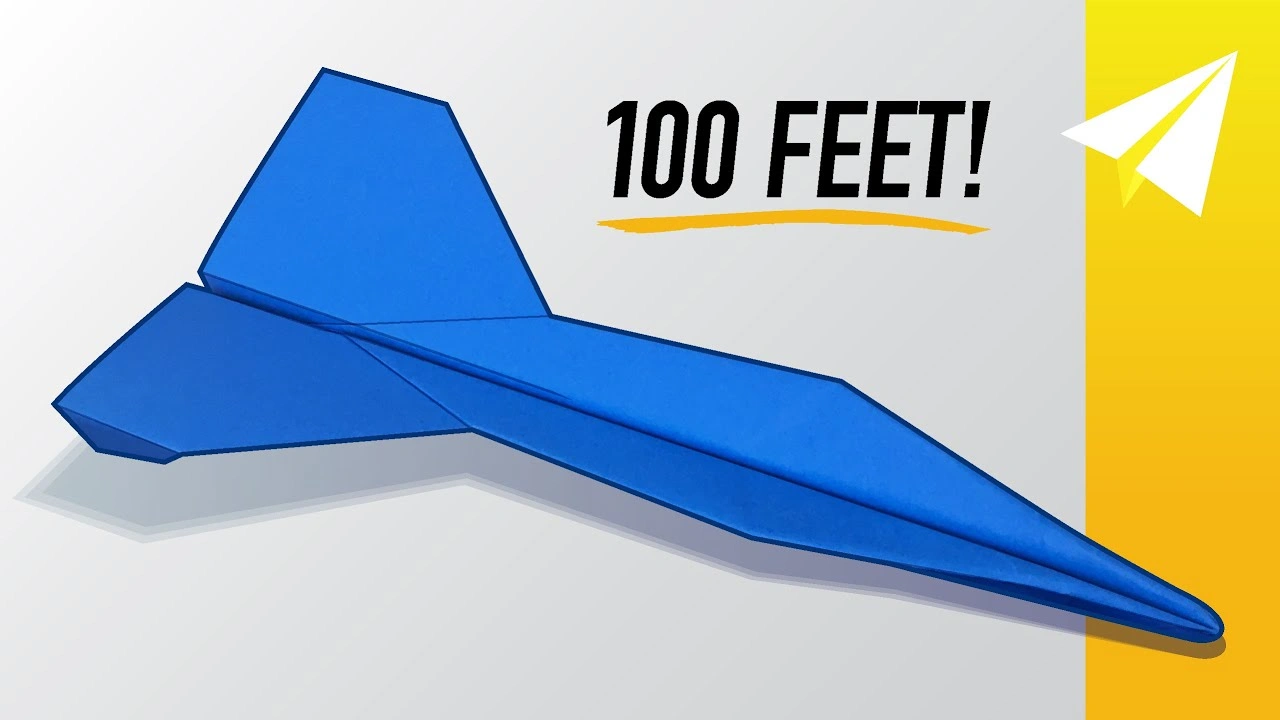
Hands-On Learning Activity: Paper Airplane Challenge
Hands-on activities are powerful curriculum assessment tools for early learners. Simple STEM-based tasks—like creating a paper airplane—help educators and parents assess fine motor skills, problem-solving, listening comprehension, and creativity in a fun, stress-free way.
One such effective activity is building a classic “Dart” style paper airplane.
✂️ Materials Needed
- One sheet of 8.5 x 11-inch paper
Step 1: Fold the Paper in Half Vertically
Fold the paper lengthwise by bringing the shorter edges together.
This center crease acts as a guide for all future folds.
 1454543161752-1.webp” alt=”” class=”wp-image-5261″/>
Step 2: Fold the Top Corners
Unfold the paper.
Fold the top left corner down to meet the center crease.
Repeat the same with the top right corner.
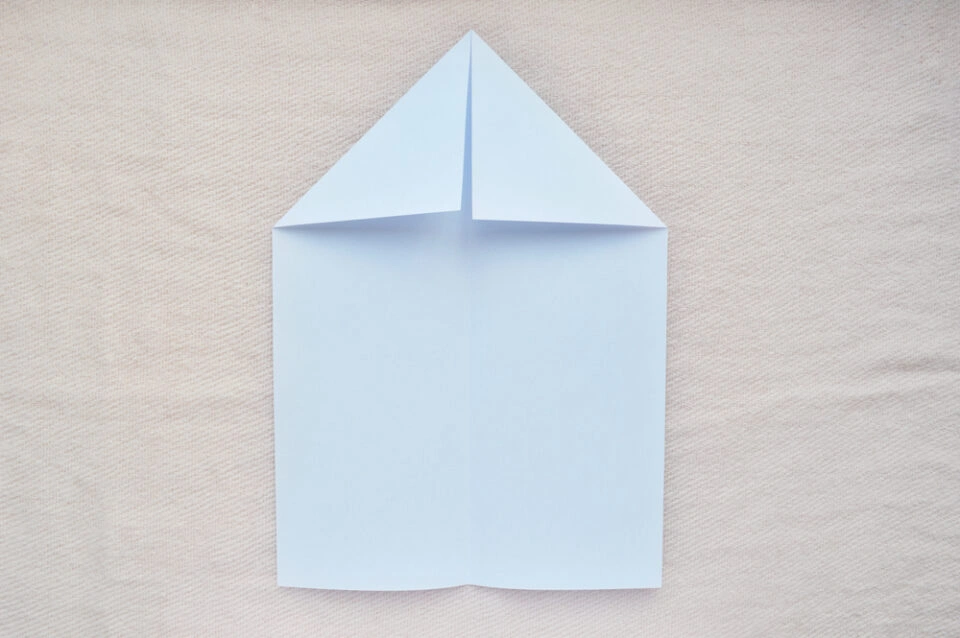
Step 3: Fold the Top Edges to the Center
Fold the newly created top edges inward so they align with the center crease.
This sharpens the nose of the airplane and improves flight stability.
Step 4: Fold the Plane in Half
Fold the entire paper along the original center crease, keeping the folds neat and aligned.
Step 5: Create the Wings
Fold one side down to form a wing, aligning it with the bottom edge of the plane.
Repeat on the other side to create balanced wings.
Step 6: Optional Reinforcement
For durability, add a small piece of double-sided tape inside the body of the plane.
This helps the airplane last longer during repeated testing.
Step 7: Test and Adjust
Gently throw the airplane.
If it turns or dips, adjust the wings slightly to improve balance and flight distance.
🎓 Learning Outcomes for Early Learners
This activity helps assess:
- Fine motor coordination
- Following multi-step instructions
- Early STEM understanding
- Problem-solving and experimentation
- Cause-and-effect observation
🎥 Visual Learning Support
For additional guidance, educators and parents may explore video demonstrations such as:
“How to Make a Paper Airplane” (recommended for visual learners)
✨ Conclusion
Simple activities like paper airplane building are effective curriculum assessment tools that blend learning with play. They encourage curiosity, creativity, and skill development—making them ideal for early childhood education settings.