
Why “Boredom” Is Good for Kids
Why “Boredom” Is Good for Kids
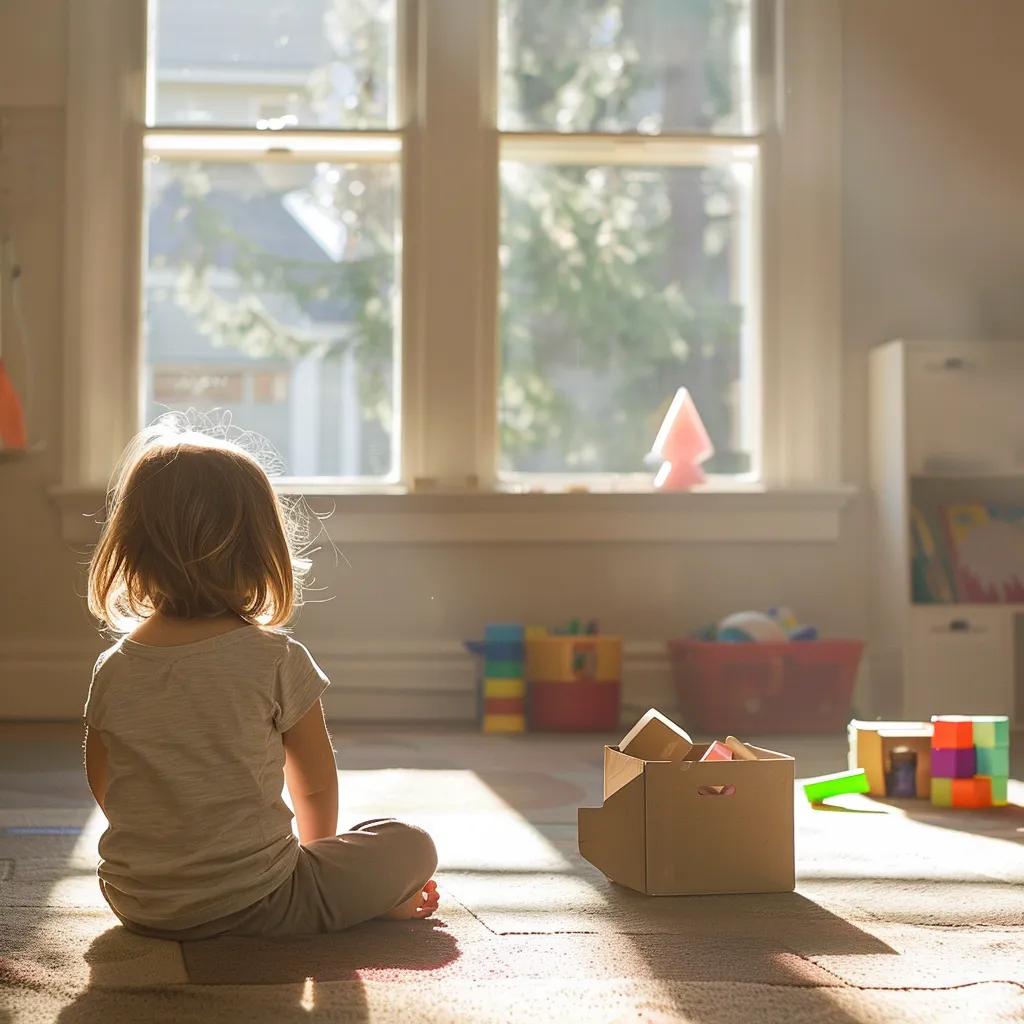
If you’ve ever heard your child say “I’m boooored!” you probably felt a spark of pressure to fix it — fast. Maybe you offered a toy, turned on a show, or rushed to fill the silence. But here’s the twist most parents never hear:
**Boredom isn’t a problem.
It’s an opportunity.**
At Chroma Early Learning Academy, we see boredom not as a gap to fill, but as a spark that can ignite creativity, resilience, and independent thinking. When children have space to sit with boredom, their brains are doing far more than it appears.
Let’s explore why.
1. Boredom Builds Creativity
When a child has nothing structured to do, their brain begins searching for something new to create.
This is how kids come up with:
- pretend games
- imaginative stories
- new ways of using everyday objects
- problem-solving ideas
- art projects on the spot
Boredom opens a door where creativity can walk in — and kids become the authors of their own experiences.
2. It Teaches Independence
Modern life often overstimulates children: toys with buttons, flashing screens, constant entertainment. But creativity requires space.
When kids experience boredom, they learn:
- how to entertain themselves
- how to make choices
- how to start something independently
- how to trust their own ideas
This is the foundation of independent play, one of the strongest predictors of confidence later in life.
3. Boredom Strengthens Problem-Solving Skills
A child who doesn’t have a ready-made activity must learn to think: “What can I do right now?” This kind of sticky, uncomfortable thinking is the birthplace of problem-solving.
Instead of waiting for direction, they learn to explore:
- How can I build this?
- What happens if I mix these things?
- What kind of game can I make?
- How do I create fun without help?
These moments build flexible thinkers — the kids who thrive academically and socially.
4. It Reduces Overstimulation
Children who are constantly entertained often become easily overwhelmed or irritable when activities stop. Their brains get used to nonstop input.
Periods of boredom create:
- calmer nervous systems
- longer attention spans
- more patience
- less reliance on screens
A “slow moment” isn’t wasted time — it’s a reset button for the brain.
5. Boredom Builds Emotional Resilience
Learning to tolerate boredom is emotional training.
When kids say “I’m bored,” they’re actually saying: “I’m uncomfortable being alone with myself.” “I don’t know what to do right now.”
Guiding them through boredom gently teaches:
- patience
- emotional regulation
- waiting without frustration
- trying before asking for help
These are lifelong skills.
How Parents Can Support Healthy Boredom
1. Don’t rush to fix it
You’re not responsible for eliminating boredom — just supporting it.
Try saying: “I know it feels boring. I trust you to find something to do.”
2. Provide open-ended materials
Great boredom busters don’t entertain — they inspire. Examples: blocks, crayons, books, puppets, sensory items.
3. Create a “boredom basket”
Fill it with simple items that spark imagination without doing the work for them.
4. Celebrate creativity when it emerges
“When you were bored, you made something new. That’s amazing!”
5. Let them be uncomfortable
The discomfort is where growth happens — not the activity itself.
How We Embrace Boredom at Chroma
At Chroma Early Learning Academy, we intentionally include unstructured time in our classrooms. During these moments, children:
- invent games
- explore materials
- practice independence
- strengthen focus
- connect with peers through imagination
Our goal isn’t to fill every moment — it’s to give children space to discover who they are.
The Takeaway
Boredom isn’t something to fear. It’s a quiet, powerful teacher.
When parents step back, children step forward — into imagination, independence, and emotional growth. The next time your child says, “I’m bored,” smile. Their brain is getting ready to bloom.
