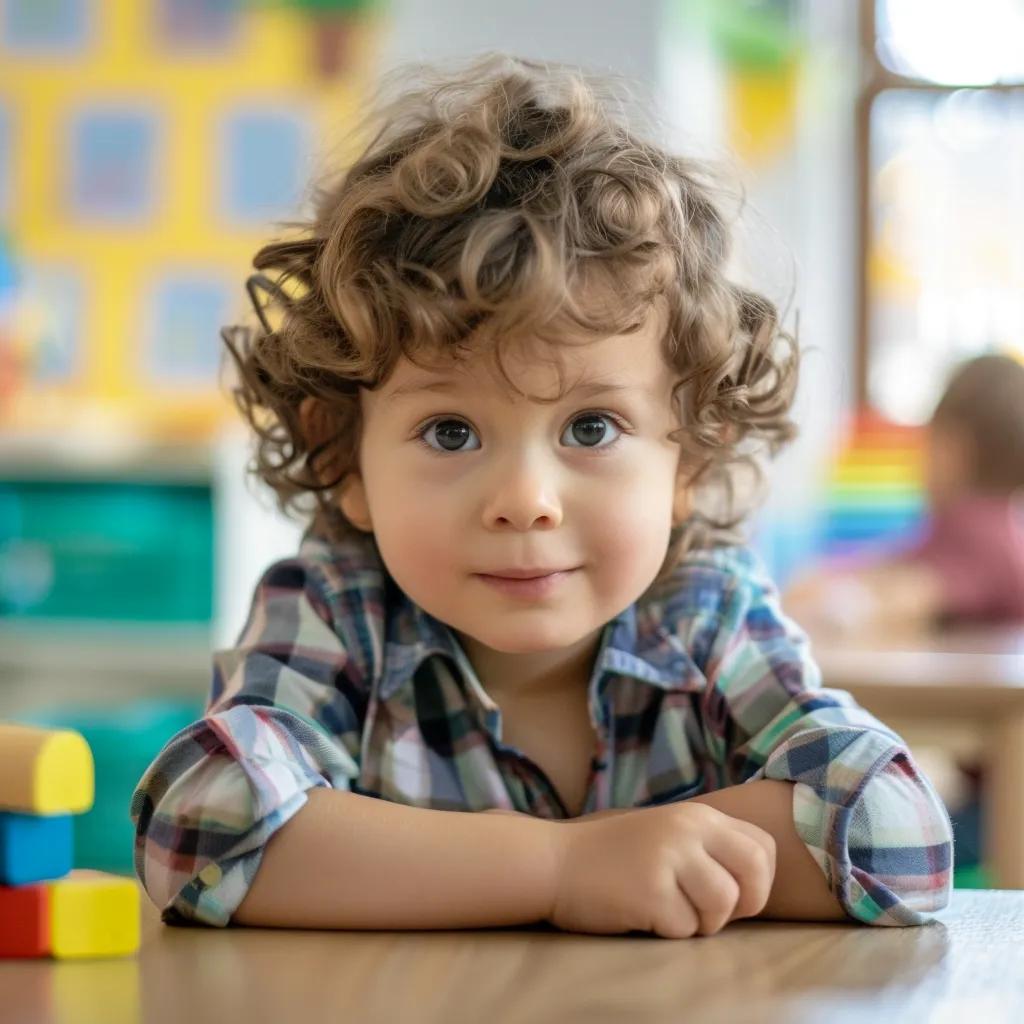
Is Your Kid Ready for Preschool? Hilarious Signs to Spot!
Signs Your Child Is Ready for Preschool: The Ultimate Preschool Readiness Checklist and Guide

Preschool readiness is a practical, observable mix of emotional, social, cognitive and physical skills that help a child transition into a classroom and learn with peers. This guide explains what readiness looks like across the four core domains, why those skills matter for early learning, and how parents can strengthen specific abilities at home through simple, evidence-informed activities. Many caregivers worry about timing—whether their two- to five-year-old is “ready”—and need clear signs plus step-by-step ways to build missing skills before enrollment. Below you’ll find domain-by-domain markers, quick assessment tools, activity suggestions tied to each sign, and short practical checklists you can use during everyday routines. The sections cover a definition and benefits, emotional indicators (separation tolerance, regulation), social cues (sharing, turn-taking), cognitive skills (curiosity, following directions), physical/self-care requirements (potty, dressing, motor skills), and concrete parent-led preparation strategies that map directly to preschool expectations.
What Is Preschool Readiness and Why Does It Matter?
Preschool readiness is the set of skills that enable a child to participate productively and happily in an early learning environment; it combines emotional regulation, social interaction, cognitive curiosity, and self-care independence. These abilities matter because children who arrive with basic social-emotional and self-help skills are more likely to engage in learning, follow routines, and form positive relationships with teachers and peers. Recent studies and guidance from pediatric and early education authorities emphasize that readiness predicts smoother transitions, higher early literacy engagement, and fewer behavior disruptions in the classroom. Framing readiness as the intersection of domains helps parents target small, daily practices that yield measurable gains in classroom success.
How Do Emotional, Social, Cognitive, and Physical Skills Define Readiness?
Each domain contributes distinct capabilities: emotional skills let a child manage feelings and tolerate short separations, social skills allow cooperative interaction and sharing, cognitive skills support following directions and curiosity, and physical/self-care skills enable participation without constant adult help. Observable examples include calming after a brief upset (emotional), waiting for a turn during play (social), listening and following a 1–2 step instruction (cognitive), and pulling up pants or fastening a jacket (physical/self-care). These domains interact—effective emotional regulation supports social interactions, and basic self-care reduces classroom interruptions—so progress in one area often accelerates others. Understanding this interaction helps parents choose activities that address multiple readiness dimensions at once.
What Are the Benefits of Being Ready for Preschool?
Being ready for preschool supports immediate classroom adjustment and long-term learning trajectories by reducing friction and increasing engagement in early lessons. Ready children typically experience smoother drop-offs, faster social integration, and more opportunities for early literacy and numeracy exposure during group activities. Over time, these early advantages link to better school attendance, stronger teacher-child relationships, and improved self-regulation that supports later academic success. Current research and guidance from pediatric and early education organizations suggest that early readiness investments yield measurable benefits for confidence, peer relationships, and foundational skills.
- Improved classroom engagement: children can participate in group activities with less redirection.
- Stronger social-emotional outcomes: better peer relationships and fewer behavioral disruptions.
- Better early literacy and numeracy foundation: increased attention and participation in learning routines.
- Smoother transitions: shorter, calmer drop-offs and more predictable daily routines.
These benefits explain why small, targeted practice at home matters: consistent, evidence-aligned activities build the skills teachers need to help children thrive.
What Are the Key Emotional Readiness Signs for Preschool?
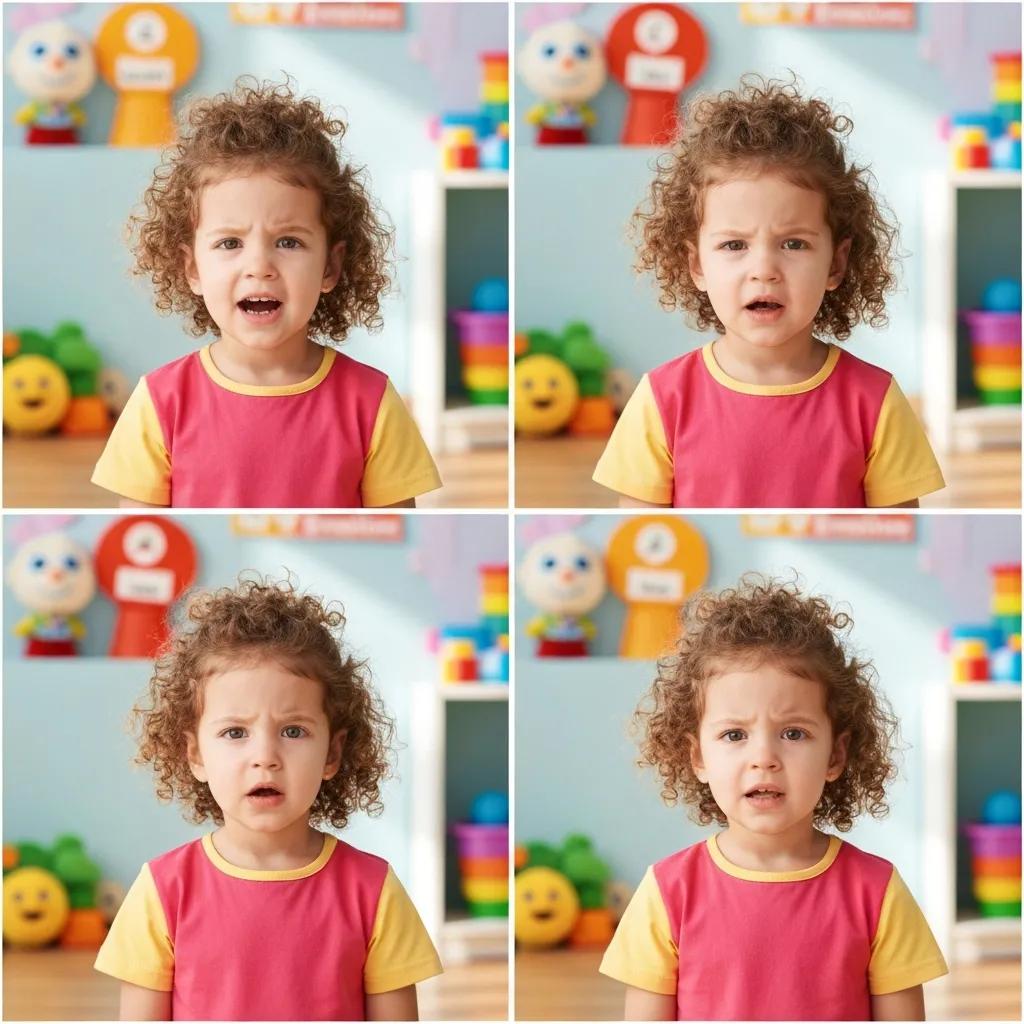
Emotional readiness centers on a child’s ability to handle separations, calm after upset, and express needs in words rather than actions. These capacities reduce classroom disruptions and enable teachers to support learning rather than manage distress. Observing consistent patterns—how long a child needs to settle after a goodbye, whether they can ask an adult for help, and how they cope with transition cues—gives a clear picture of emotional readiness. Parents can scaffold these abilities through predictable routines and short, practiced separations that build confidence over time.
How Can You Tell If Your Child Manages Separation Anxiety Well?
Signs of manageable separation anxiety include brief distress at drop-off that subsides within a few minutes, the ability to say goodbye on cue, and rapid engagement with familiar activities or caregivers afterward.
To assess this, try staged separations at home: a short goodbye followed by a consistent calming ritual and a predictable return time; note whether the child calms with the routine or remains inconsolable.
Quick calming strategies that help include transitional objects (a small photo or toy), a consistent goodbye phrase, and rehearsed short separations at a friend’s home or playgroup.
If anxiety persists intensely and affects daily functioning, consider discussing next steps with a pediatrician or early childhood specialist.
What Emotional Regulation Skills Should Your Toddler Show?
Emotional regulation skills for preschool readiness include using simple words to express basic needs, calming with brief adult support, and tolerating small delays or changes to routine. Typical examples are a child saying “I’m sad” or “help” instead of hitting, responding to a calm-down strategy within a few minutes, and following a short routine for transitions like handwashing before snack time.
Parents can model labeling feelings, practice deep-breathing games, and create predictable transition cues to strengthen regulation. Over time, these practices reduce tantrums and increase a child’s capacity to engage in group learning.
How Do Social Skills Indicate Preschool Readiness?
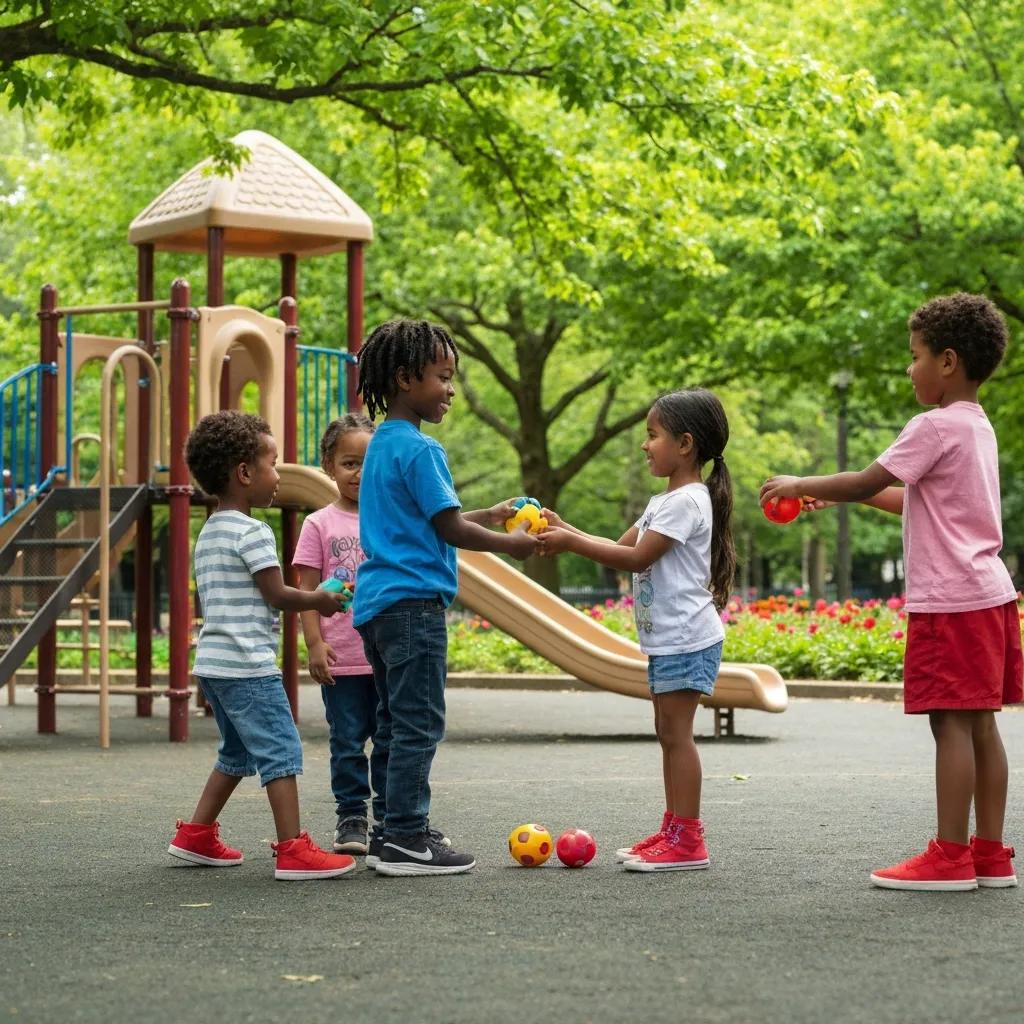
Social readiness focuses on a child’s ability to interact with peers, share resources, and follow simple group norms; these skills support cooperative learning and reduce conflict in the classroom. Observable behaviors such as seeking peers for play, offering toys, and responding to simple negotiation phrases indicate emerging social competence. Teachers rely on these behaviors to build group routines like circle time and collaborative art activities, so parental practice in small social settings directly transfers to classroom success. Encouraging short, structured playdates and guided cooperative tasks at home fosters these social capacities efficiently.
What Are the Signs of Positive Peer Interaction and Sharing?
Positive peer interaction includes initiating play, waiting briefly for a turn, and using basic negotiation language like “my turn, then yours.”
Parents can observe these signs during playdates or family gatherings: does the child offer toys back after a request, invite another child to join, or use words to solve small conflicts?
Prompts that encourage sharing—offering two similar toys, modeling phrases, and praising cooperative moves—help children adopt pro-social behavior.
Short role-play games and turn-taking activities build the skill set needed for sustained peer engagement in preschool.
How Does Participation in Group Activities Reflect Readiness?
Participation in group activities shows whether a child can attend to a teacher’s directions, sit for short circle times, and follow shared materials or actions.
Look for behaviors such as following a simple instruction during group play, contributing to a shared art project, or waiting to receive a turn in group games.
Teachers expect brief attention spans accompanied by cooperative responses; parents can practice by leading mini-group times at home—singing together, reading a short story, or organizing a snack routine—to replicate classroom rhythms.
These rehearsals make the preschool environment predictable and approachable for new learners.
What Cognitive Skills Show Your Child Is Ready for Preschool?
Cognitive readiness includes curiosity, the ability to follow 1–2 step directions, symbolic play, and emerging problem-solving; these skills enable early learning activities and classroom participation. Children who show interest in books, ask simple questions, and try to solve small puzzles demonstrate the cognitive foundation teachers use for early literacy and numeracy. Strengthening attention span through short, engaging tasks and scaffolding problem-solving via play supports the transition to structured activities. Mapping cognitive indicators to practical home activities helps parents translate observations into targeted practice.
How Does Curiosity and Interest in Learning Signal Readiness?
Curiosity appears when a child points to pictures, asks questions about objects, or returns to books and discovery play repeatedly; it signals engagement potential for preschool lessons.
Activities that scaffold curiosity include discovery bins, short read-aloud routines with questions, and simple science experiments like sink-or-float; these encourage observation, vocabulary growth, and sustained attention.
Parents can build a reading habit of 5–10 minutes daily to strengthen listening and inquiry, and use open-ended prompts—“What do you notice?”—to extend thinking.
These practices create a pattern of engagement that teachers can expand in preschool.
Research indicates that parents are instrumental in fostering social-emotional and self-regulation skills, which are crucial for a child's successful transition into formal schooling.
Parental Role in Preschool Readiness: Social-Emotional and Self-Regulation Support
Parents play a central role in supporting the early learning that positions young children for success when they enter formal schooling. For this reason, efforts to engage families in meaningful collaboration is a long-standing goal of high-quality early childhood education (ECE). Family–school engagement can take multiple forms; in this review, we focus on universal preschool-based outreach strategies that help parents support growth in child social-emotional and self-regulation competencies and prepare them for the transition into formal schooling. Recent research has expanded understanding of the neurodevelopmental processes that underlie child school readiness, and the impact of parenting (and the social ecology affecting parenting) on those processes. These new insights have fueled innovation in preschool-based efforts to partner with and support parents, expanding and shifting the focus of that programming. In addition, new approaches to intervention design and delivery are emerging to address the pervasive challenges of reaching and engaging families, especially those representing diverse racial, ethnic, cultural, and socioeconomic backgrounds. This paper reviews developmental research that underscores the importance of prioritizing child social-emotional learning (with attention to self-regulation and approaches to learning) in universal preschool-based parenting programs targeting young children. We highlight the intervention strategies used in programs with strong evidence of impact on child readiness and school adjustment based on randomized controlled trials (RCTs). New directions in intervention design and delivery strategies are highlighted, with the hope of extending intervention reach and improving family engagement and benefit.
Preschool programs that help families promote child social-emotional school readiness: promising new strategies, KL Bierman, 2023
Before the next subsection, a concise mapping of cognitive signs to at-home activities can make evaluation easier for parents.
| Cognitive Indicator | Typical Age/Example | Activity |
|---|---|---|
| Curiosity & interest in books | 2–4 years; points at pictures | Daily shared reading with questions |
| Follows 1–2 step directions | 3–4 years; "Put the cup on the table" | Simon Says–style games and cooking steps |
| Problem-solving/symbolic play | 3–5 years; uses block as phone | Play scenarios and simple puzzles |
This table links indicators to practical activities parents can use the same week to strengthen cognitive readiness.
After reviewing cognitive markers, preschool directors and operators may benefit from improving how they communicate expectations and onboard families.
What Physical and Self-Care Skills Are Essential for Preschool?
Physical and self-care readiness includes independent toileting or effective strategies if not fully trained, dressing skills (coats, shoes), and motor abilities required for classroom tasks like holding a crayon or climbing a slide.
These skills matter because teachers need children to manage basic routines with minimal one-on-one help to maintain group flow.
Parents can target fine motor strength through drawing, cutting with supervision, and fasteners practice; gross motor skills improve with playground time and simple obstacle courses.
Programs vary in their toileting policies, so clarifying expectations with prospective preschools helps align home practice with classroom rules.
How Do Potty Training and Dressing Skills Affect Readiness?
Some preschools expect independent toileting while others accommodate partial readiness with teacher support; regardless, progress in toileting and dressing reduces interruptions during the day.
Typical expectations include pulling pants up/down, communicating needs, and wiping assistance as needed for younger children.
Parents can practice routines—consistent toileting times, visual prompts, and dressing drills that break tasks into steps—to build independence.
If full independence isn’t achieved, discuss transition strategies with the program (pull-ups, extra clothing) to ensure the child remains included and learning continues.
What Fine and Gross Motor Skills Should Your Child Have?
Fine motor skills supporting preschool include grasping a crayon, turning pages, manipulating simple scissors under supervision, and using utensils with growing competence.
Gross motor skills include running, jumping, throwing, and climbing with appropriate coordination.
Simple home activities—stringing beads, play-dough squeezing, cutting practice, and backyard obstacle courses—strengthen these skills while integrating play-based learning.
Consistent practice of both motor domains supports classroom participation in art, snack, and outdoor play where coordination and stamina help children engage fully.
| Self-Care Skill | Typical Expectation | Practice Tip |
|---|---|---|
| Toileting | Communicates needs; mostly independent | Set regular bathroom cues and celebrate successes |
| Dressing | Pulls on pants, zips jacket with help | Practice one fastener at a time; use elastic waistbands |
| Fine motor | Holds crayon, turns pages | Short daily drawing sessions and snipping strips of paper |
These practice tips make self-care tasks approachable and directly improve classroom readiness.
How Can Parents Prepare Their Child for Preschool Success?
Preparing a child for preschool success means combining short, focused daily activities that build emotional regulation, peer skills, curiosity, and self-care independence into regular routines.
Start with predictable morning and bedtime schedules, introduce brief separation practices, and integrate learning into play—these strategies reduce anxiety and increase adaptability.
Small, consistent habits (daily read-aloud, three-minute tidy-up games, short cooperative tasks) create cumulative gains that teachers notice within weeks.
What Activities Build Emotional and Social Skills for Preschool?
Here are easy, repeatable activities parents can use to strengthen emotion labeling, sharing, and cooperative play during everyday moments.
- Feelings Game: Use puppets or faces to name emotions and model calm responses.
- Turn-Taking Tasks: Play simple board or passing games with a 1–2 minute timer.
- Short Playdates: Host controlled 20–30 minute play sessions with a familiar peer.
- Drop-Off Rituals: Create a consistent goodbye routine with a transitional object.
These activities integrate into daily life and improve the child’s ability to manage feelings and participate with others. Practicing these tasks three to five times a week creates predictable exposure and measurable improvement in social-emotional interaction.
Before the next set of practical tips, a concise at-home checklist helps parents track progress.
Understanding a child's cognitive style can offer valuable insights into how they approach learning and may influence their readiness for the structured environment of preschool.
Assessing Preschool School Readiness Based on Cognitive Styles
ABSTRACT: In this study school readiness of five-six year old children for primary school according to their cognitive styles. Study group is composed of 227 five-six year old children attending nursery classes or kindergartens at preschool institutions in districts of Konya city center. Kansas Reflection-Impulsivity Scale for Preschoolers Form A (KRISP) was used in order to identify study group children’s reflective-impulsive cognitive styles, and Metropolitan Readiness Test, Preschool and Kindergarten Behavior Scale Form A (PKBS) and Peabody Picture-Vocabulary Test were used to determine their school readiness. Discrimination analysis was done to find out how correctly children were classified into groups with reflective-impulsive cognitive styles. Scores that groups got from tests were analyzed using independent samples t-test and SPSS 16.0 package program. In order to examine the effect size Cohen d value was calculated. General result found out at the end of the study is that school readine
Examining school readiness of preschool children with different cognitive style, S Koçyiğit, 2014
| Skill Area | Observable Sign | Quick Home Check |
|---|---|---|
| Emotional regulation | Calms within minutes after adult support | Do short separation trials twice weekly |
| Sharing/turn-taking | Waits for a turn with minimal prompts | Use a timer during playdates |
| Self-care independence | Pulls up pants and attempts zipper | Practice dressing steps daily |
This checklist gives a quick, repeatable way to monitor readiness and communicate progress to a prospective preschool.
How Can You Support Cognitive and Physical Development at Home?
Targeted home practices build attention, language, reasoning, and motor coordination essential for preschool.
- Daily Shared Reading: Read 5–10 minutes with open questions to build vocabulary and curiosity.
- Sorting & Puzzles: Use simple puzzles and sorting games to practice classification and problem-solving.
- Fine Motor Play: Offer crayons, beads, and safe scissors to strengthen hand muscles.
- Active Play: Set up short obstacle courses to develop balance, coordination, and gross motor strength.
Implement these activities in short bursts—three to five times per week—and gradually increase complexity as the child masters tasks.
Regular, playful practice translates directly into classroom readiness by improving attention span, following directions, and physical stamina.
For caregivers tracking progress, consistent notes on small wins—longer independent dressing, calmer drop-offs, asking questions during reading—offer concrete evidence of readiness improvements over weeks.
